Bhaktivedanta Manor marked ISKCON’s 60th anniversary by asking a question larger than institutional age: how does a spiritual mission remain intelligible, participatory and accountable across generations? The 13 July 2026 programme answered through founding principles, staged history, photography, sacred narrative and shared hospitality.
Radha Mohan Das’s anniversary account supplies the event details. Read together, they show that ISKCON’s durability rests not only on its international reach, but on the union of bhakti, organisation, education and seva.
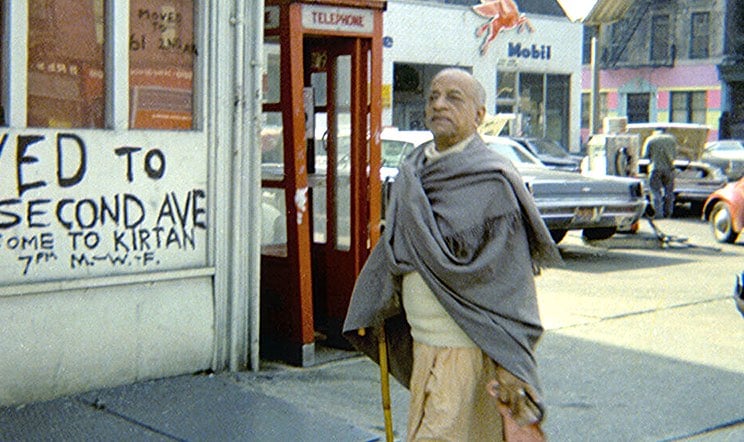
Why legal incorporation mattered to a spiritual mission
The anniversary recalled ISKCON’s legal incorporation in New York on 13 July 1966. That act did not originate Krishna consciousness, which belongs to the much older Gaudiya Vaishnava lineage. It gave an emerging community a recognised structure through which it could maintain places of worship, publish teachings, organise programmes and preserve responsibilities beyond an informal circle of followers.
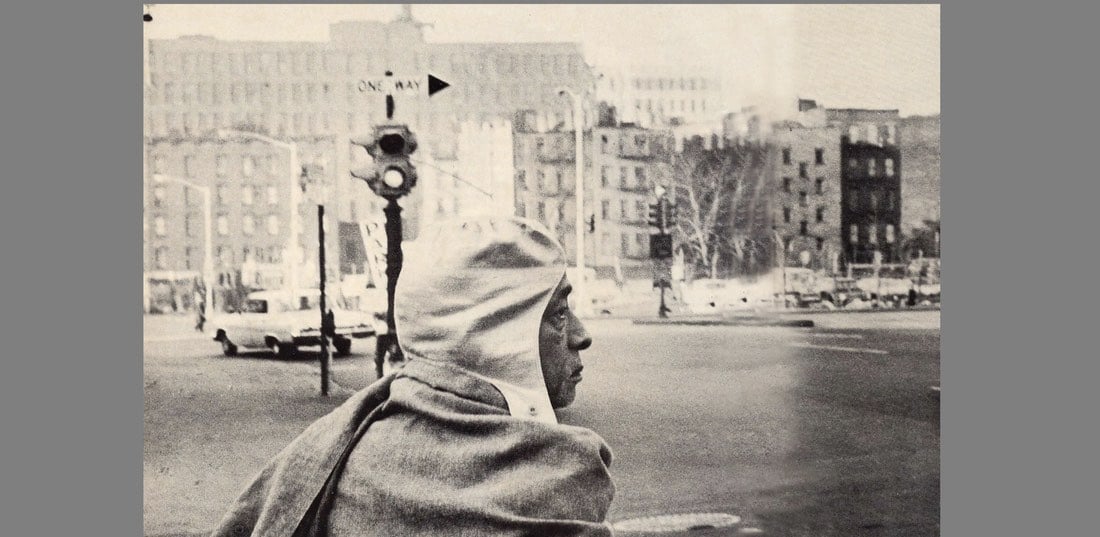
The account places this administrative milestone against Srila Prabhupada’s vulnerable beginnings. In 1965, when he was nearly seventy, he travelled from India aboard the cargo ship Jaladuta with limited resources and copies of his English translation and commentary on the Srimad Bhagavatam. After illness at sea and an initial stay with the Gopal Agarwal family in Butler, Pennsylvania, he continued his mission in New York. The modest storefront at 26 Second Avenue eventually became ISKCON’s first temple. The contrast is instructive: conviction began the work, while shared discipline gave it continuity.
The Seven Purposes connect belief with public life
The plaque unveiled at the Manor restated ISKCON’s Seven Purposes. Together, they join systematic spiritual education, study of the Bhagavad Gita and Srimad Bhagavatam, awareness of the individual’s relationship with Krishna, congregational chanting, sacred places, simpler living and the publication of literature.
Their strength lies in this interdependence. Textual study gives devotion philosophical depth; sankirtana makes worship communal and publicly accessible; temples provide stable settings for learning and hospitality; publishing carries teachings beyond one speaker or location; and simple living asks whether spiritual values shape food, work, consumption and stewardship. The purposes therefore offer more than a historical charter. They provide standards by which growth can be judged. Buildings and attendance matter, but they cannot substitute for learning, ethical conduct, service and spiritual practice.
A celebration designed to make history participatory
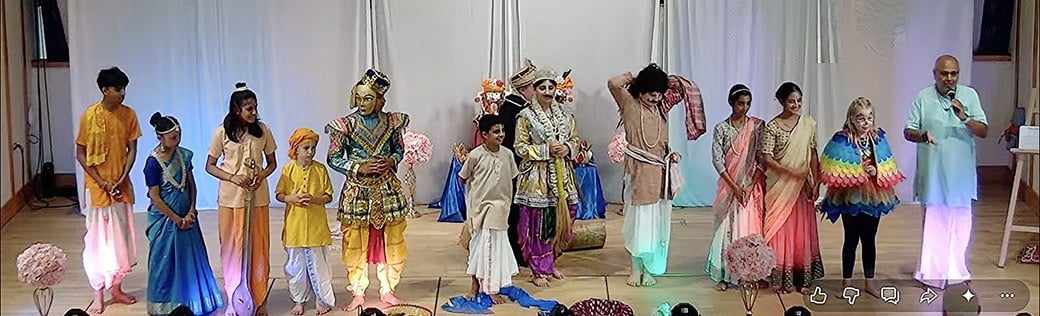
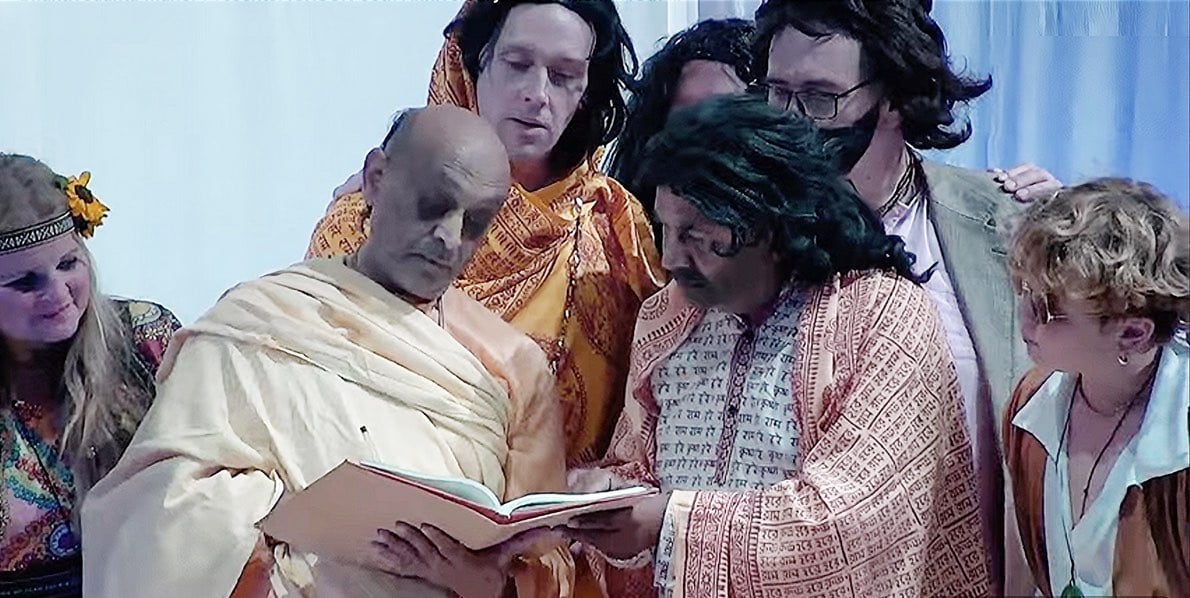
The programme described by Das did not leave history inside an archive. The Junior Bhaktivedanta Players enacted the sacred history of Lord Jagannath, connecting young participants with the Vaishnava tradition behind Ratha-yatra. Praghosa das presented six decades of ISKCON through photographs, while the Bhaktivedanta Players premiered a drama about Srila Prabhupada’s journey from Butler to New York and the society’s incorporation.
Each medium performed a different task. Photographs preserved visible traces of people and places; theatre explored uncertainty, hospitality and perseverance; and three plaques intended for permanent display brought the founding purposes into the Manor’s everyday environment. An elaborate cake added another layer of public memory through models of the Jaladuta, 26 Second Avenue, the Hare Krishna Tree, Ratha-yatra carts and Srila Prabhupada at Bhaktivedanta Manor. Because it was finally shared among guests, historical symbolism became communal participation.
Seva is the infrastructure visitors rarely see
The event also revealed the practical force of seva. Managers and volunteers prepared spaces, installed displays, rehearsed performances, assembled photographs, welcomed visitors and created the commemorative cake. These tasks may appear secondary beside famous journeys and founding documents, yet institutions survive through precisely such repeated acts of responsibility.
Bhaktivedanta Manor itself demonstrates the same principle on a larger scale. The Hertfordshire estate, donated to ISKCON by George Harrison in 1973 according to the account, became a prominent British Hindu centre because worship, education, festivals and community service were sustained there over time. Sacred inheritance remains living when people accept the work of carrying it forward.
Key takeaways
- Legal organisation gave Srila Prabhupada’s mission a durable public framework without replacing its Gaudiya Vaishnava roots.
- The Seven Purposes unite philosophy, worship, community, publishing and responsible living.
- Drama, photography and devotional art can transmit sacred memory across generations.
- Volunteer seva turns spiritual commitment into lasting institutional capacity.
A distinct Vaishnava legacy with wider Dharmic meaning
This was specifically a Gaudiya Vaishnava commemoration, and its identity should not be blurred into a generic spirituality. Yet its emphasis on disciplined practice, ethical responsibility, service, sacred memory and intergenerational teaching resonates across the wider Dharmic family. Hindu, Buddhist, Jain and Sikh traditions remain doctrinally distinct, but respectful unity can grow through recognition of these shared civilisational commitments.
The lasting value of the diamond jubilee will therefore depend on what follows it: deeper education, accessible sacred spaces, responsible leadership and opportunities for younger generations to serve. A founding mission stays alive when remembrance becomes present conduct.