
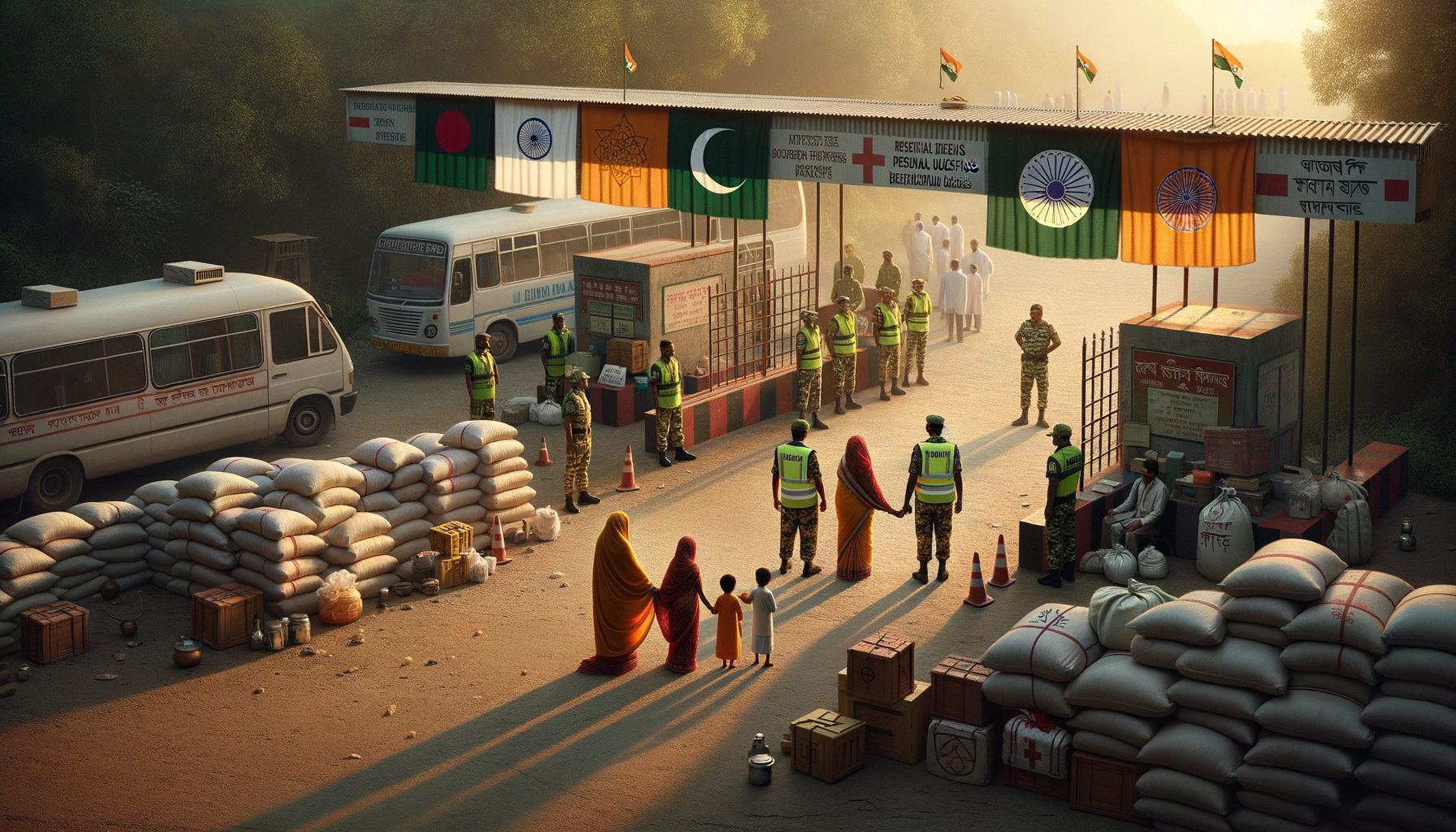
Amid reports of rising violence against religious minorities, community representatives among Bangladesh Hindus have appealed for safe entry into India, encapsulated in the urgent cry, ‘Please save us’. The request centers on temporary protection, structured humanitarian corridors, and expedited, lawful passage overseen by the Indian Government in coordination with state administrations and civil society.
Accounts circulating through community networks describe fear, uncertainty, and a pressing need for refuge. Families speak of sleepless nights and hurried contingency plans, while elders recall earlier periods of displacement and regional solidarity. Across the subcontinent, dharmic communitiesHindu, Buddhist, Jain, and Sikhhave responded with empathy, emphasizing non-violence, dignity, and mutual care as shared civilizational values.
Policy options under discussion include humanitarian visas, emergency reception facilities near the border, and coordinated relief logistics, paired with transparent screening and due process to protect both vulnerable individuals and national security. Such measures can be undertaken in consultation with Bangladesh authorities and international partners to uphold human rights, prevent trafficking, and ensure orderly movement. Well-designed procedures also help preserve border security while meeting urgent humanitarian needs.
Community testimonies underscore not only distress but remarkable resilienceneighbors sharing food, faith communities organizing safe transport, and local leaders prioritizing children and elders. These lived experiences highlight why humane, time-bound protection frameworks matter. In parallel, appeals continue for robust rule of law inside Bangladesh to protect religious minorities and ensure accountability for violence, aligned with constitutional guarantees and international norms.
Upholding dharmic unity is central to the region’s response. Voices from Hindu, Buddhist, Jain, and Sikh traditions advocate compassion, interfaith harmony, and non-retaliation, encouraging cooperation that reduces tensions and rejects blanket blame. A calibrated approachcombining humanitarian assistance, dialogue, and legal safeguardscan save lives while strengthening long-term stability and goodwill between neighbors.
Operationally, preparedness along key corridors in Assam, Tripura, and West Bengal can include medical screening, temporary shelters, documentation support, and reunification services. Partnerships with accredited organizations help ensure integrity, while data-driven monitoring prevents exploitation. Clear communication on eligibility, timelines, and rights reduces uncertainty for families and supports orderly processes.
The plea from Bangladesh Hindus is ultimately a reminder of shared responsibility across borders. A humane, lawful, and regionally coordinated responsegrounded in security, compassion, and dharmic valuescan protect the vulnerable, reinforce public trust, and contribute to durable peace. By balancing border security with humanitarian duty, India and Bangladesh can demonstrate principled leadership in a moment of profound need.
Inspired by this post on Hindu Jagruti Samiti.
