
-
Allegations at Wipro Pune ignite debate on religious bias: law, due process, and inclusive fixes

Allegations of religion-based harassment at a Wipro campus in Hinjawadi, Punefollowing earlier controversies in Nashik and Mumbaihave reignited an urgent discussion on how Indian workplaces manage belief and difference. This analysis clarifies what constitutes religious harassment, explains the Indian legal and corporate governance context, and outlines due-process investigations that protect all parties. It highlights data…
-
Bengaluru Protest Demands Statewide Probe into Nashik TCS, HubballiBlueprint for Fair Workplaces
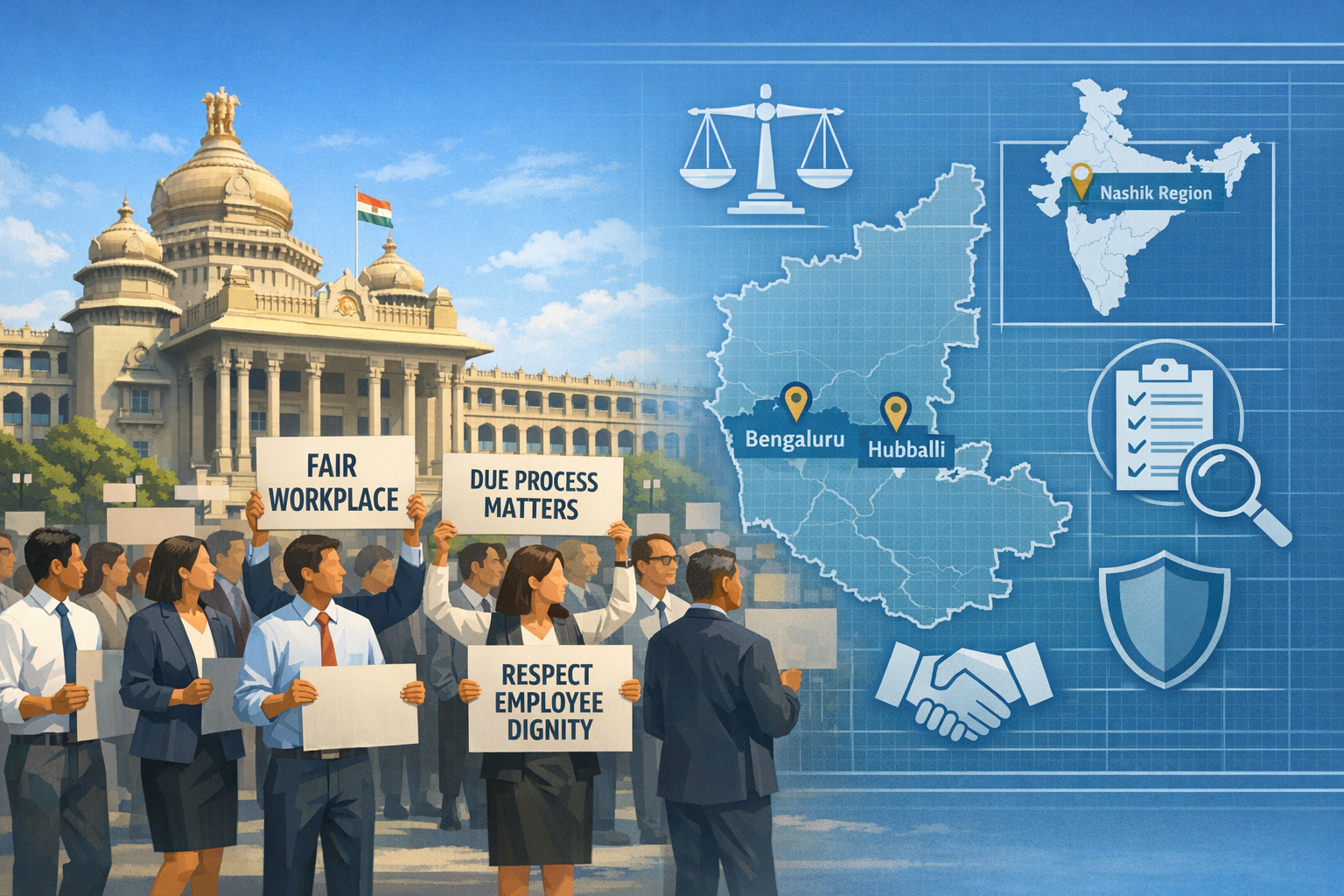
Hindu Rashtra Samanvaya Samiti’s Bengaluru protest and memorandum urge a statewide probe into alleged workplace religious coercion, citing the Nashik TCS incident and the Hubballi case as catalysts. This analysis frames the demand within constitutional guarantees, emphasizing due process, neutrality, and evidence-based inquiry. It outlines how a Special Investigation Team (SIT) could be constituted, governed,…
-
Safeguarding Dignity at Work: VHP’s Nationwide Corporate Outreach on Hindu Women’s Safety and Rights

VHP’s plan to engage corporates nationwide on workplace concerns involving Hindu women is best understood through a rights-based, evidence-driven lens. This long-form analysis situates the initiative within India’s constitutional protections and statutes such as the POSH Act, along with NGRBC, BRSR, and the UNGPs. It differentiates key risk categories spanning harassment, grooming, coerced proselytization, retaliation,…