-
Indus Waters Treaty Explained: Powerful Rivers, Partition, and Bharat’s Water Legacy

This long-form analysis explains why the Indus Waters Treaty is not merely a legal agreement but a civilisational, agricultural, and geopolitical turning point. It traces the Indus basin from Harappan water management and British canal engineering to Partition and the 1960 treaty. The piece clarifies how the Ravi, Beas, Sutlej, Indus, Jhelum, and Chenab were…
-
Sindh’s Hindu textbooks in Pakistan: a pivotal test for minority rights and pluralism

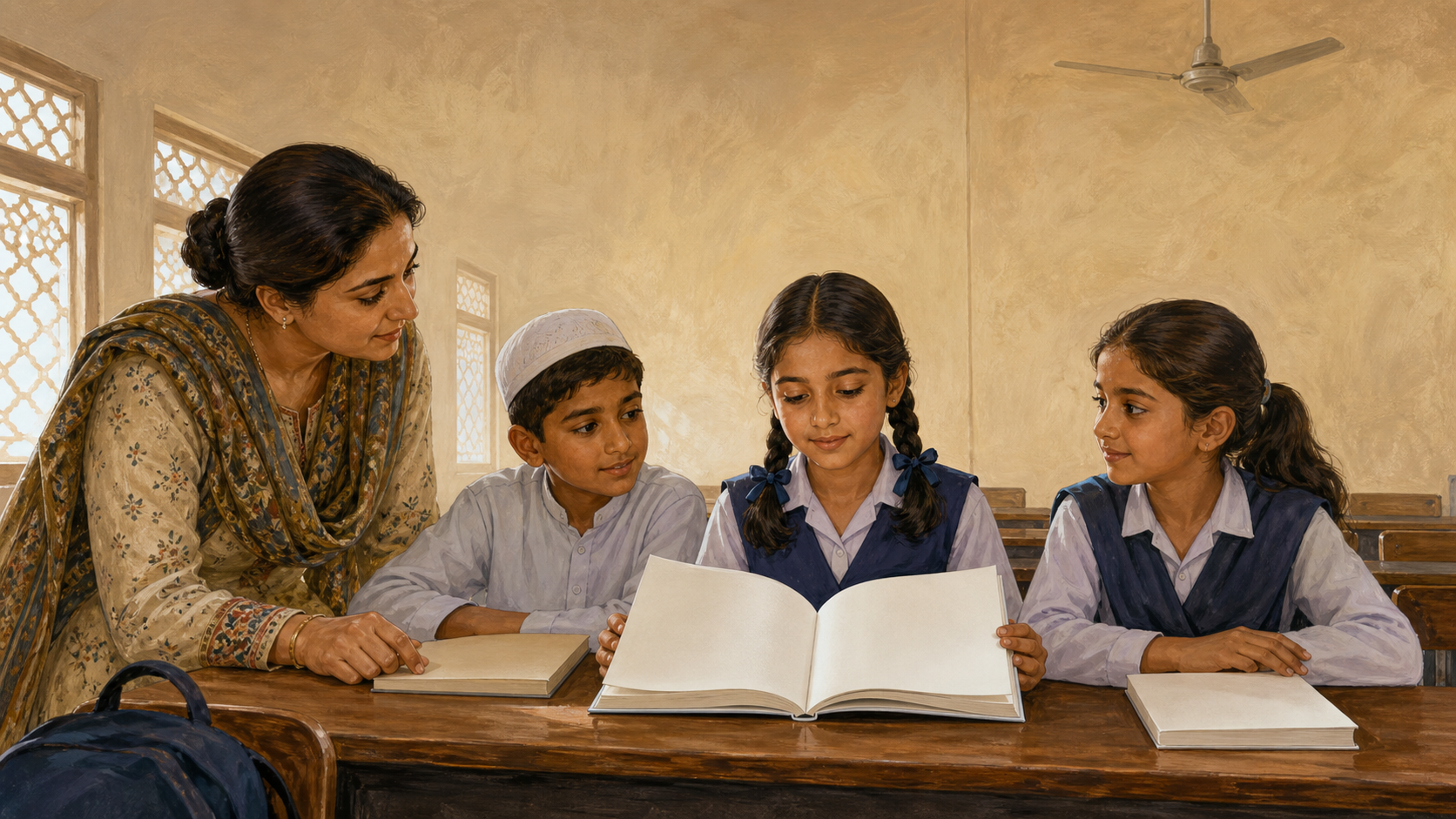
Sindh, Pakistan, is reportedly moving to introduce dedicated Hindu religious textbooks for Hindu students, sparking debate on minority rights and education reform. Grounded in Articles 20 and 22 of Pakistan’s Constitution, the initiative can align classrooms with protections for freedom of belief if executed with parity and quality. A rigorous blueprint calls for representative governance,…
-
Cheti Chand 2026: Sindhi New Year on March 19Date, Significance, and Shared Dharmic Traditions

Cheti Chand 2026 falls on March 19, marking the Sindhi New Year on Chaitra Shukla Dwitiya. The day also celebrates Jhulelal Jayanti, with prayers, aarti, and Baharana Sahib processions reflecting gratitude and cultural continuity. Families describe a strong sense of renewal through simple home rituals, charity, and community gatherings. The festival aligns with other spring…
-
Outrage in Sindh: Hindu Farmer’s Killing Fuels Protests and India’s Rebuke on Minority Safety

The killing of Hindu farmer Kailash Kolhi in Sindh has triggered statewide protests in Pakistan and renewed scrutiny of minority protections. Demonstrators demand arrests, independent investigation, and credible safeguards against impunity. India has publicly challenged Pakistan’s stance on minority rights, situating the incident within broader regional concerns about communal violence. The case underscores daily insecurities…