-
Not So Salient: Exposing Caste Stereotypes and Defending Hindu American Civil Rights

Harvard’s “The Brahminist Veto” casts Hindu Americans as a theocratic fringe, but the evidence points elsewhere: routine civic advocacy, due process in high-profile investigations, and a consistent demand for equal respect in academic settings. The record shows that caricatures of Hindu theologythrough misreadings of texts like Manusmriti and the Purusha Suktaignore scholarly consensus and historical…
-
US Caste Laws Risk Colonial Repeat and BiasProtecting Dharmic Unity Now

US efforts to legislate caste as a protected category aim to curb discrimination but risk reviving colonial-era methods of identity control. Historical lessons from British rule and postcolonial India show how enumeration hardens fluid identities and creates verification problems, particularly in diaspora contexts. Early institutional responses, such as caste-focused DEI trainings, may inadvertently heighten bias…
-
Discover the Essential Questions Carnegie Missed on Caste Biasand Proven Ways Forward

I revisited Carnegie’s latest Indian American Attitudes Survey and compared it with the 2021 findings to see what changedand what didn’taround discrimination. Skin color remains the leading basis, while caste reports rose slightly from 5% to 7%. I explain why this small increase should prompt better survey design, not alarmist claims. I outline three essential…
-
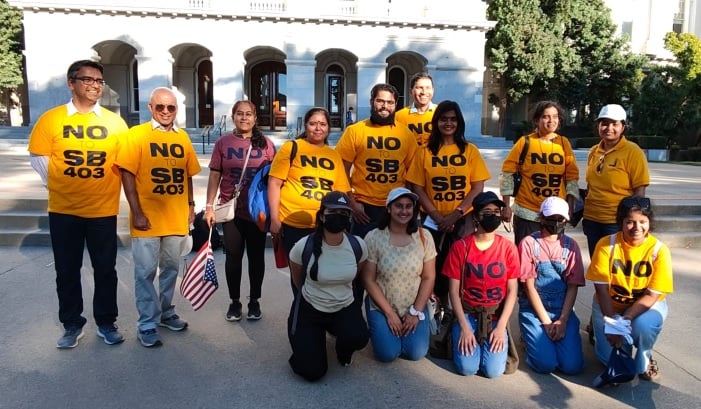
CoHNA Welcomes the Veto of SB403 as a Victory for Justice and Equality before Law

Discover the recent victory for justice and equality as the Coalition of Hindus of North America (CoHNA) celebrates California Governor Gavin Newsom’s veto of SB403. Governor Newsom’s decision to label the bill “unnecessary” aligns with CoHNA’s stance that existing laws effectively address discrimination in all forms. The bill, which stirred controversy, was seen by the…