
-
Hanuman and Surya: Aspiration, Guru-Śiṣya Dharma, and the Path to Self-Realization
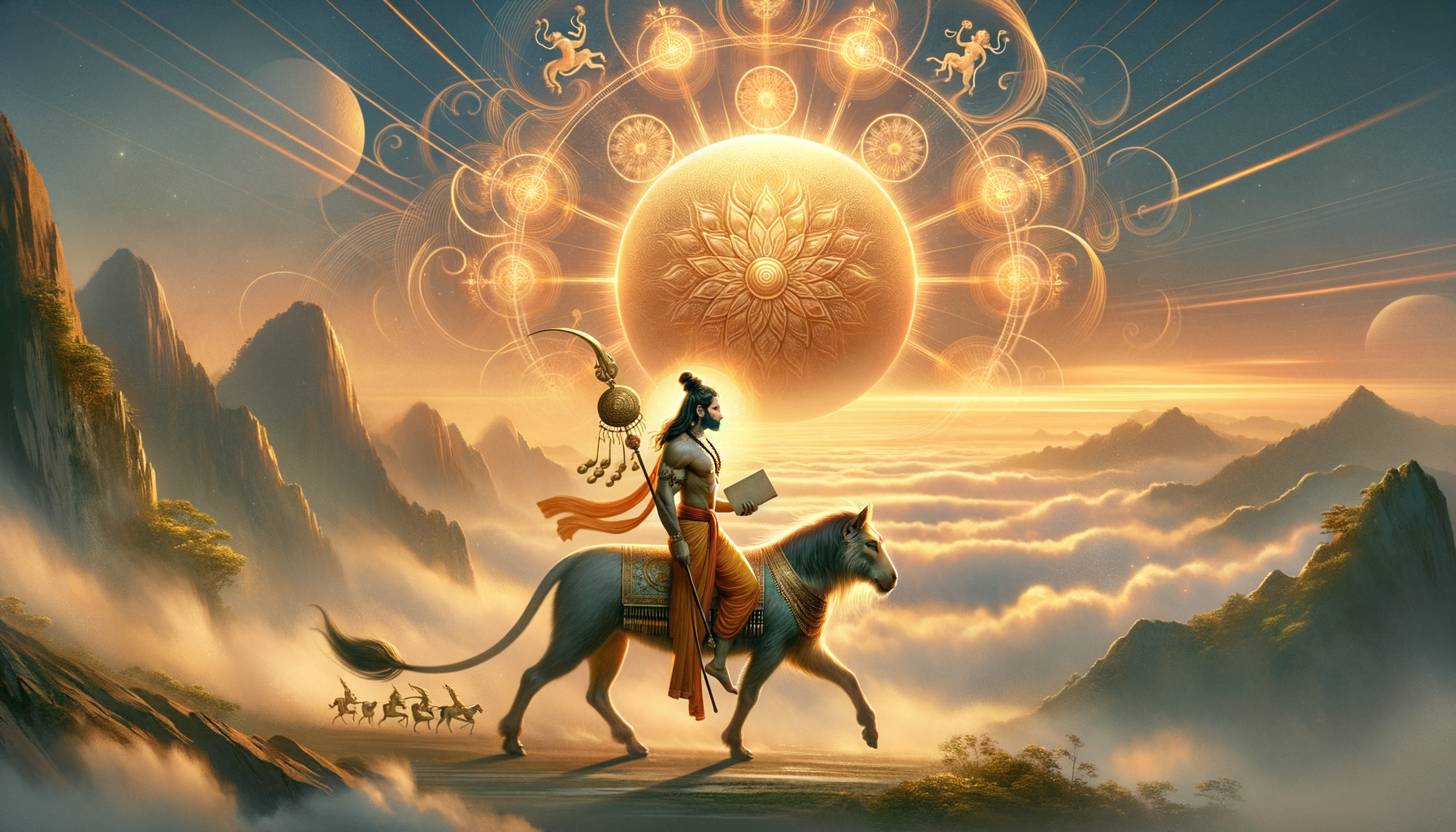
Hanuman’s pursuit of learning from Surya illustrates how aspiration, disciplined practice, and the guru’s guidance shape self-realization. The narrative of a “moving classroom,” in which Hanuman adapts to Surya’s constant motion, models ekāgratā and tapas under real-world constraints. Later traditions emphasize that humility and seva transform knowledge into wisdom and social responsibility. The core lessonone…
-
Education Totke for Focused Study: Ethical, Dharmic Remedies to Boost Learning and Memory

Education Totke, अच्छी शिक्षा के लिए टोटके, पढ़ाई में उन्नति के लिए टोटके are presented as gentle, ethical practices that support focus, memory, and confidence. The guidance integrates dharmic unityhonoring Hinduism, Buddhism, Jainism, and Sikhismthrough short invocations, gratitude, and respect for teachers. Practical steps include preparing a clean study space, a brief mantra or mindfulness…
-
Katha Upanishad’s Naciketas and Yama: A Stirring Quest for Death’s Secret, Dharma, and Moksha

The Katha Upanishad frames Naciketas’s encounter with Yama as a disciplined quest for truth that unites ethics and insight. The three boons structure a complete path: reconciliation and dharma, Nachiketagni as ordered action, and the inquiry into death and the Self. Yama’s teaching clarifies śreya versus preya, the chariot allegory, Om as support, and the…
-
Hans Gita Explained: Discover Vishnu’s Proven Path to Knowledge, Enlightenment, and Unity

Hans Gita, attributed to Lord Vishnu and framed as a dialogue with a hamsa (swan), offers a concise yet profound exploration of knowledge, discernment, and dharma within Hindu philosophy. Readers discover how the swan symbolizes vivekathe wisdom to distinguish the enduring from the ephemeral. The text’s verses encourage realization over mere theory, aligning with Upanishadic…
-
What is THE TRUTH?

This blog post explores the concept of truth and its multifaceted nature. Using a story of students observing a tree differently, the post illustrates how each person’s understanding of truth is shaped by their unique perspective and experiences. It delves into the limitations of human abilities in comprehending the entirety of truth, drawing parallels with…