-
Kalpanagaurava Unveiled: Master Tarka’s Antidote to Excessive Imagination in Debate
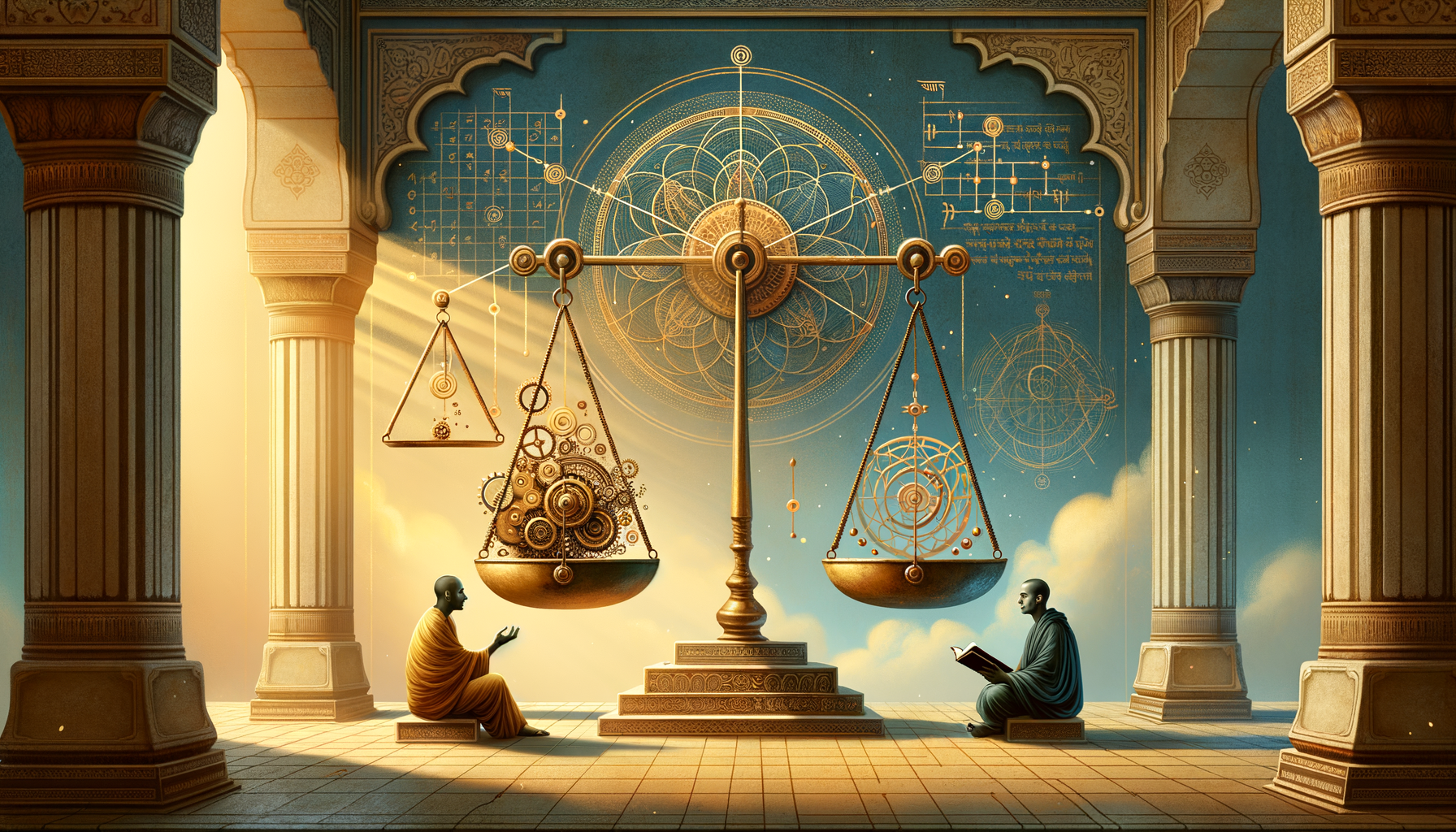
Kalpanagaurava (कल्पनागौरव) identifies the burden of excessive assumptions in reasoning within Hindu philosophy’s tarka tradition. Recognized as one of the eleven varieties of tarka, it cautions against arguments that lean on imaginative postulates rather than evidence. By favoring economical explanations, it strengthens clarity and doubt-resolution in debate. Readers will find this principle intuitively useful in…
-
Trusting Time: kāla as tuṣṭi in Sankhya Karika to cultivate calm, patience, and mukti

This article explores kāla as a form of tuṣṭi in Sankhya Karika (verse 50), showing how trust in time can cultivate calm, patience, and steady progress toward mukti. It clarifies the philosophical role of tuṣṭi as both a stabilizing force and a potential pitfall when mistaken for fatalism. Readers gain practical ways to embody engaged…
-
Sankhya Philosophy Explained: A Timeless, Rational Roadmap to Absolute Reality

Sankhya offers a clear, rational pathway for understanding absolute reality within Hindu philosophy. By distinguishing Purusha (consciousness) from Prakriti (nature), it explains both experience and liberation. Its ordered model of tattvas and emphasis on valid knowledge make it a rigorous system rather than speculation. The philosophy directly supports Yoga’s practical methods for inner transformation and…
-
Parmanu in Vaisheshika: Ancient Hindu Atomism that Anticipated Modern Science
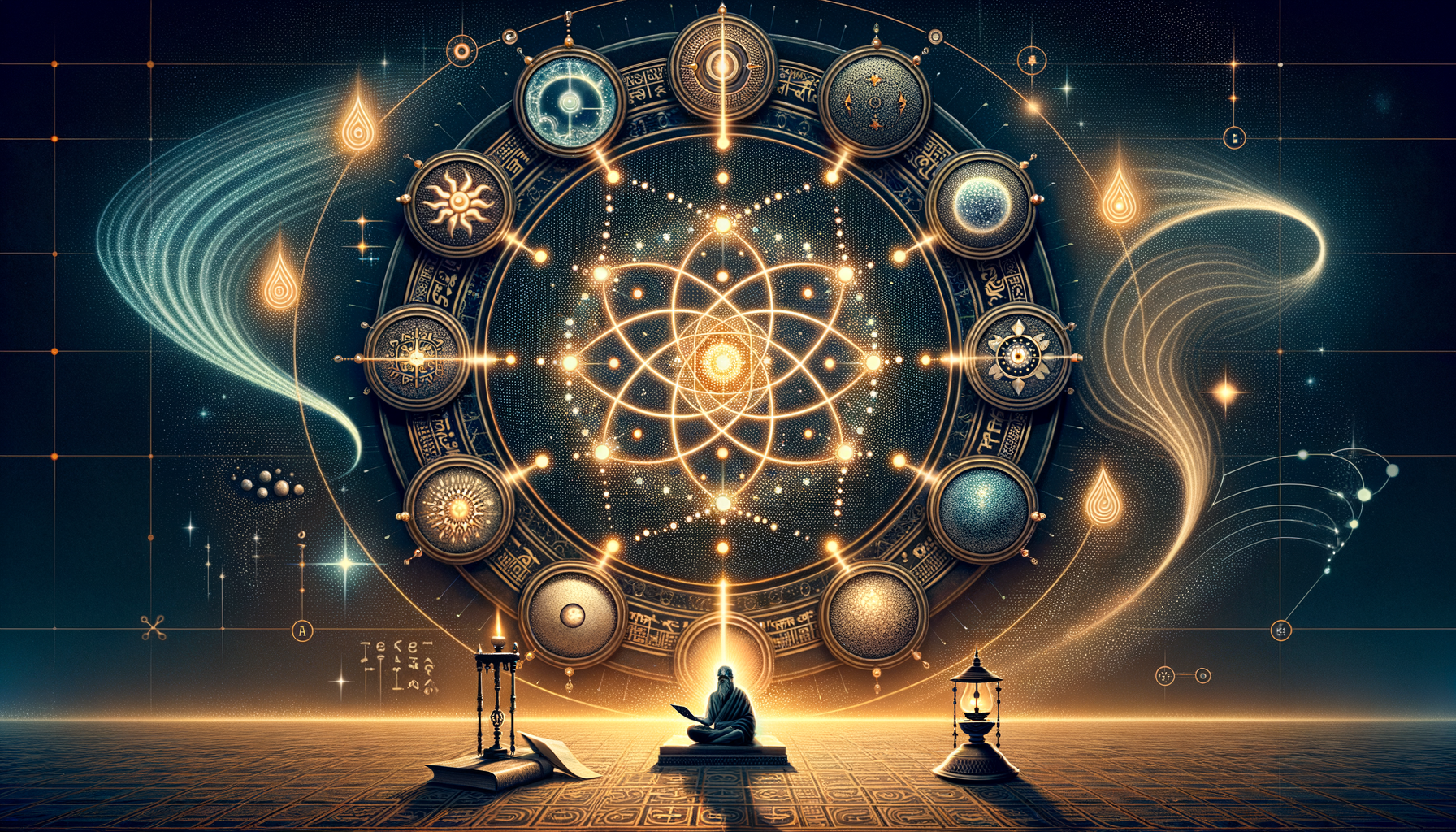
Long before modern physics, Vaisheshika articulated Parmanuthe indivisible, eternal unit of matterthrough disciplined reasoning and careful inference. This ancient Hindu atomism explains how dyads and triads of atoms form perceptible objects, governed by motion, qualities, and inherence. Framed within the padārthas, it offers a precise account of causation and identity across change. The theory resonates…
-
Discover the Complete Sankhya–Yoga Creation Theory: A Transformative Guide to Hindu Cosmology
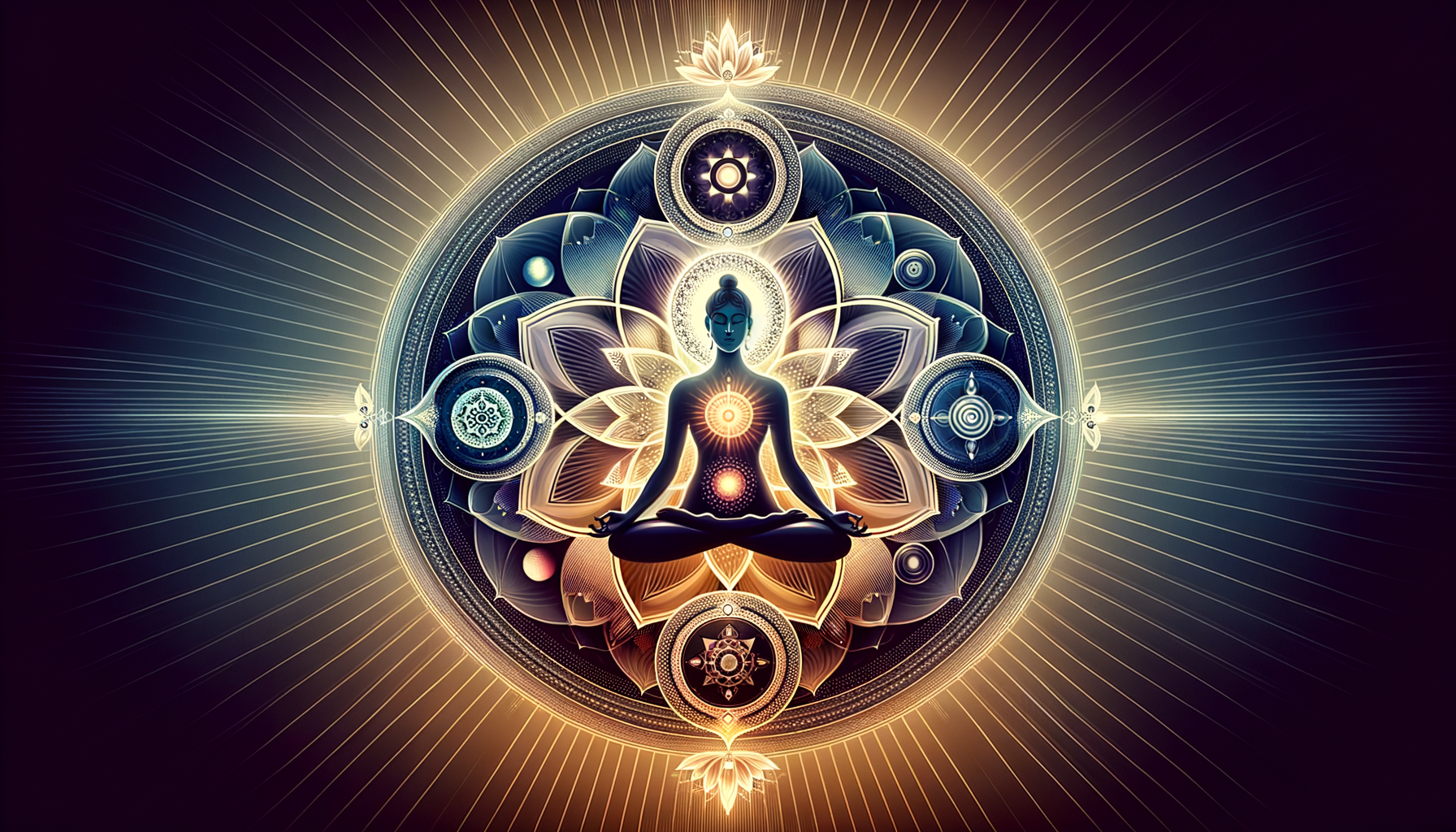
This article presents a clear, academic overview of the Sankhya–Yoga theory of creation within Hindu cosmology, explaining how Purusha and Prakriti account for the evolution of the universe. It outlines the ordered emergence of tattvas, clarifies the role of the gunas, and explains why misidentification leads to suffering. The Yoga perspective adds Ishvara and an…
-
Ultimate Guide to Upanishadic Planes of Consciousness: Master the Secrets of Akasha

This article offers a clear, complete guide to the Upanishadic planes of consciousness, explaining Akasha as both physical space and the subtle field of awareness. It unpacks the Mandukya Upanishad’s four stateswaking, dreaming, deep sleep, and Turīyaas a practical map for inner exploration. It also presents the Taittirīya Upanishad’s Pancha Kosha model to show how…
-
Master Nyaya’s Chala: The Essential Guide to Spotting Quibbles and Preserving Dialogue
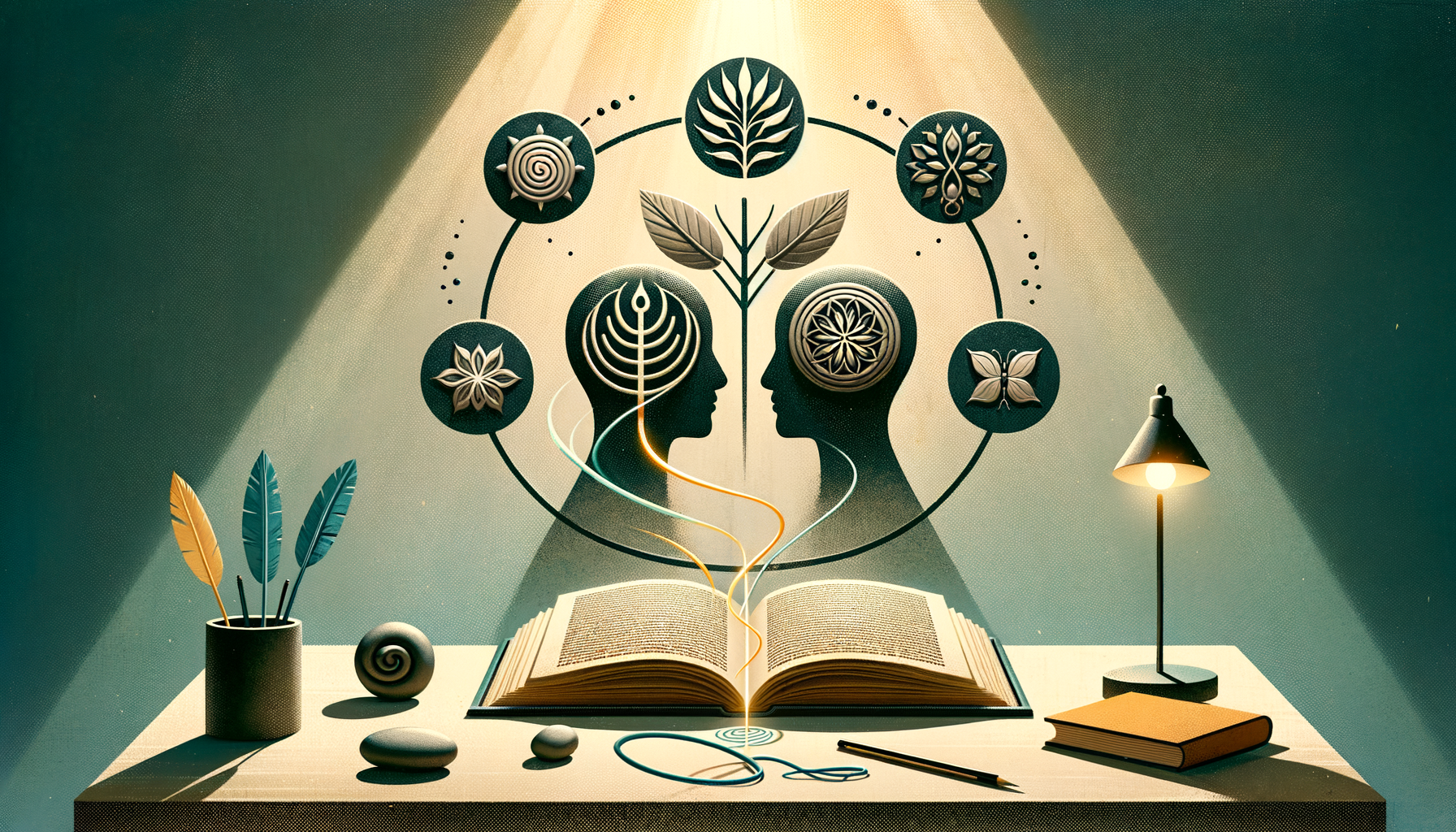
Chala in the Nyaya Sutras refers to a quibble or deliberate misinterpretation that derails honest debate. Situated among the sixteen categories in the Nyayasutras, it exposes how ambiguity, generalization, and literalism can be misused. This piece outlines the three classical forms of Chala and explains how each manipulates meaning. Readers gain practical methodsdefining terms, paraphrasing,…